
My Journey from Civilian to Marine Officer, Part II: OCS
Thank you to Lieutenant Schmuckatelli, a new Infantry Officer, who is sharing his journey through OCS and TBS with us.
My OCS: Officer Candidates Course 221
In November of 2015 I learned I would be picking up with OCC 221 in January 2016. Ten years after first stepping into a recruiting station, I had earned my place in order to attempt to earn my place. Now the real work began.
In the weeks leading up to my January 17th ship date I kept up with my workout regimen but focused more on body weight movements than throwing around heavy barbells. The last thing I needed was to get hurt before I was supposed to leave. Knowing what I know now, I certainly was not running enough. I hate running and avoided it – hashtag mistake.
Arrival at OCS
Once we arrived on Brown Field and got all of our gear we began to try and get settled – I say try because we had no idea what to expect. Being on the older end of the spectrum at 28, I was determined to make age a non-issue and keep up with all the young bucks that were filling the squad bay. For me, that meant planning for and making time for recovery. In each squad bay they provide foam rollers and other tools for that exact purpose. Not everyone took advantage of those resources but I wanted to make sure I took the time to take care of my body – especially my knees which took a beating through years of running track (hence my disdain for running).
Pickup
We kept waiting for the Sgt Instructors to break through a wall and start screaming, but for 3 days it was relatively calm as we did all of our administrative in-processing. Then the day finally came when we met our instructors for the first time and all hell broke loose. A piece of me was actually relieved to get it over with instead of the waiting around wondering – we knew it was coming and I just wanted to get started.
The only word to describe that first night is chaos
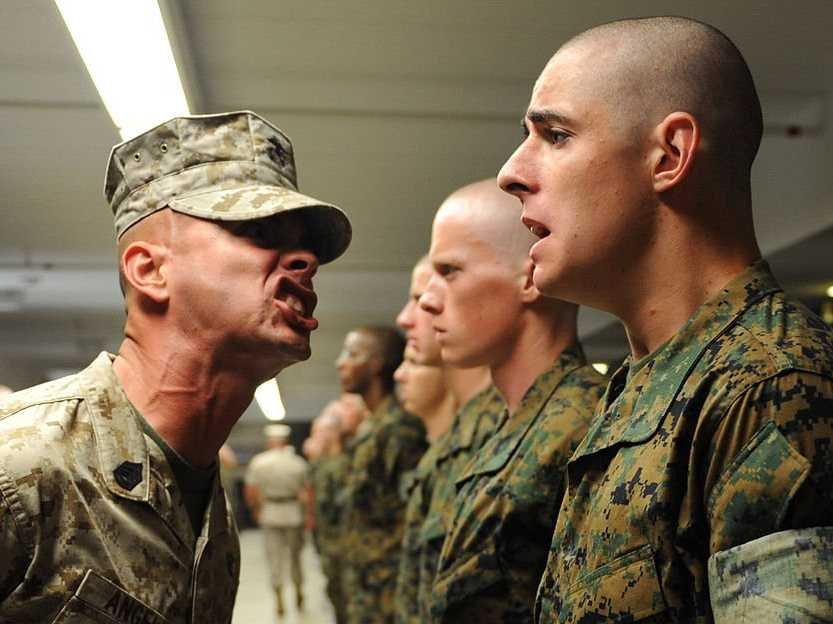
Instructors screaming, candidates running back and forth, gear being tossed and the thought of “what have I gotten myself into” crosses your mind for the first of many times. Now I don’t know if it’s because I was slightly older, or if my OSO did a better job preparing me than some others in my platoon – but there was an obvious simplicity to the chaos. Screaming and yelling aside, they are telling you exactly what to do. As college grads we tend to over-complicate things but when someone tells you to put your right boot on…put your right boot on. Don’t lace it, don’t put the left one on, don’t try and do both. Just put your right boot on. We would come to know this as “transition training” and for those few hours you could see the difference between those of us rolling with the punches and those who would get frustrated as if frustration and losing composure ease the process – don’t be short sighted. Take everything as it comes, focus on the single task at hand rather than getting overwhelmed by the big picture and 2100 will be there before you know it.
Hell Freezes Over
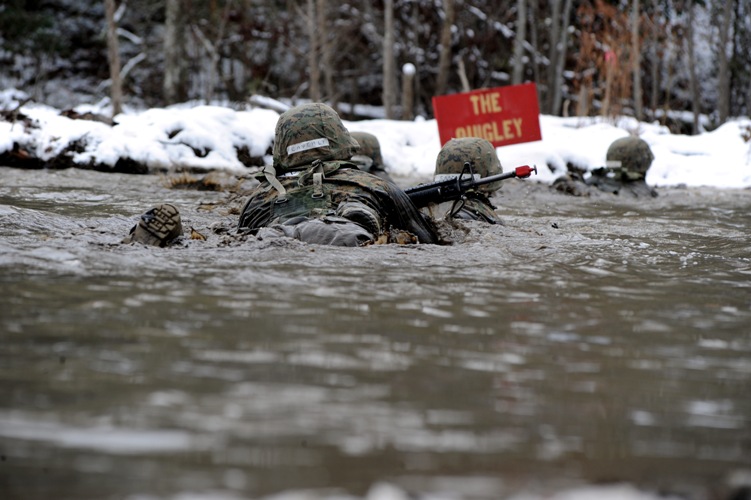
What DID complicate our class was the blizzard that crashed into Virginia the following day. It was the first time we would see the magnitude of the mental challenge of what we would be facing on a daily basis: winter in Virginia. We were all in amazing shape physically, but a 300 PFT score doesn’t prepare you for formations and drill in freezing temperatures. We even dropped someone because they slipped on black ice and dislocated their shoulder. The importance of being mentally tough was drilled into us every day.
Guarantee: You Will Get Sick
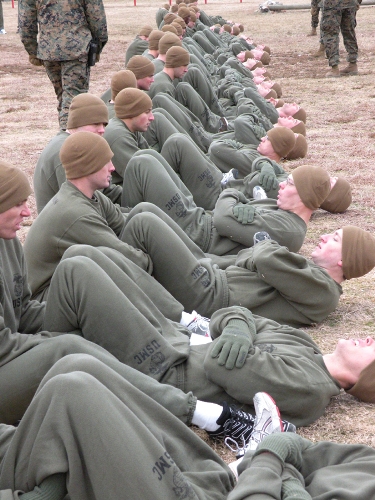
With 40+ guys living together in a squad bay in those conditions it didn’t take long for the infamous “candidate crud” to start taking people down. Everyone was sick almost the entire time. As Marine Officers though, it’s not about us. We are here to lead Marines and they won’t care that you don’t feel good. They are looking to you for answers and inspiration. Some of us realized this and powered through, others realized this profession isn’t for them and they left for a more comfortable path.
DOR: Drop on Request
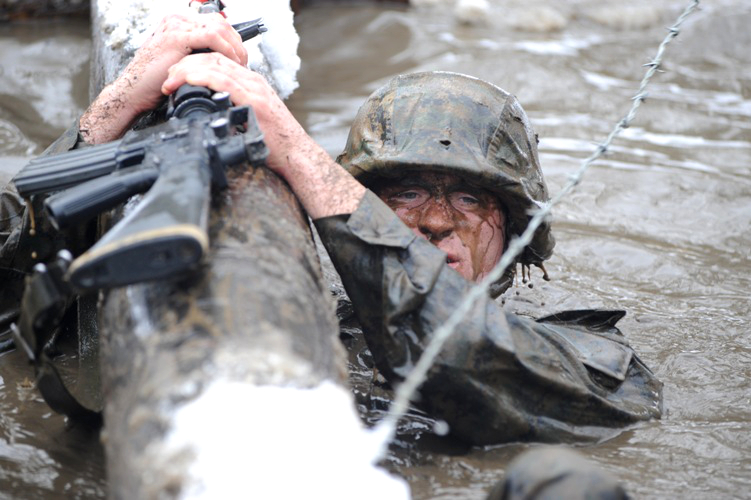
I’d like to stop here for a minute and bring up the “Drop on Request” policy (DOR as we know it). I understand that this profession isn’t for everyone and while the idea of slaying fire breathing dragons seems great, the reality of getting there isn’t worth it to some people. That’s fine – in all honesty, if you’ll quit at OCS you’ll quit in combat and your future platoon deserves better than that. The thing that stuck out in my mind and what got me through the hardest moments of OCS is that if you DOR – quit.. – you are a quitter forever. You will always be the guy that “almost joined” but couldn’t make it. My rack mate told me he was thinking of DORing and I told him the same thing my OSA told me – if you think or realize that the Marine Corps isn’t for you that’s fine…but finish the damn 10 weeks. You are not required to accept your commission at the conclusion of OCS. He is now a communications officer and is thankful he didn’t quit. Even at my lowest moments, even when I was trudging through the water as ice floated around me and I lost feeling in your lower extremities, I told myself I wouldn’t make any decisions until the next morning. And as I said before, you take it as it comes, you eventually dry off, you go to chow, 2100 comes and you put another day in the books. The next morning, your feet hit the deck and it’s back to work. Don’t make decisions in the moment. The staff can do a lot of things, but even the meanest Sgt Instructor can’t slow down time.
Second Half
Getting back to the original point, everyone was sick and miserable. By the later weeks though we started to get the picture of what our graduating platoon was going to look like. The quitters were gone, any minor injuries were effectively hidden – I mean managed – and we really started to move as a team.
Around week 7, the candidate crud started to hit me harder than usual and I started to have a harder time catching my breath and was coughing more than normal. Seeing as everyone was sick though I just put my head down and kept pushing forward.
By week 8 or 9 the coughing had gotten so bad that I was worried I had cracked a rib due to the pain on the right side of my rib cage every time I inhaled. It hurt to lay down, sit up, breathe and of course any time of PT. I continued to tell myself that everyone was hurting and that I just needed to suck it up, we were so close.
Gutting it Out
By week 10 and graduation I was keeping my right arm pinned to my side to minimize the movement and as we cleaned the squad bays my platoon mates were continually checking on me because of how awful I apparently looked. A lot of people ask why I didn’t go to the corpsman (Navy Doctors) and on some level I did. I never really let on how much pain I was in for fear of getting dropped and I would just ask for ibuprofen for a “headache”. We originally heard we could get Sudafed but due to its dehydrating characteristics it never came. I made due with what I could get. I had made it so far between the prep and the majority of OCS behind me, the pain was not worth having to go home as a failure – so I pushed. Through everything we went through, I never found a good enough reason to stop. There never is when people are counting on you – you get it done. Whether it’s OCS or the fleet, officers don’t get to quit.
Mind the Candidate Crud!
 Fast forward to the first week of TBS which is now a full month after I first noticed my symptoms getting worse. After almost passing out climbing two flights of stairs, I finally went to medical knowing my commission was safe. There I was told that I didn’t have a cold but had an extremely serious case of pneumonia. I thought, “ok well there’s walking pneumonia so it can’t be that serious.” The doctor then told me that if I wasn’t in such good shape when I got sick or if I was a little older that the pneumonia would have put me in the hospital a long time ago – and that I should not be up and running around. They gave me an X-Ray which thankfully showed no broken ribs, but I had pulled most of the muscles in my chest and back. I was even tested for tuberculosis at one point. I don’t bring this up to try and sound like a badass – but rather to put into perspective how important heart is while at OCS. The words probably can’t express the pain but hopefully the story will act as a testimony for the body continuing on beyond your perceived limits. Mental toughness and heart account for so much.
PT and a high PFT score will get you TO OCS, but heart and mental toughness will KEEP you at OCS
If a 29 year old with “you should be in the hospital” pneumonia can finish OCS, you can too. I promise.
Finally, a Marine
Graduation and commissioning were a great experience. Holding your EGA and your bars after everything gave me the greatest sense of accomplishment I had ever felt. However, as much as we felt like we knew – we didn’t know how much we didn’t know. For OCC 221, The Basic School would start in just 2 short days. I was still in a nauseating amount of pain and tried to enjoy the couple of days with my family.
Immediately on to TBS
We checked into the barracks on Camp Barrett which would be our home for the next six months and started getting ready for the next step in the journey.
Stay tuned for the final chapter in this Lt’s journey from civilian to Infantry officer next week!
Related Posts
Help! I think I’m below average–how do I get selected for OCS?
Thank you to West Texas+New Mexico OSO Captain Wisotzkey for sharing his advice to candidates who lack the perfect credentials. As an OSO, one of the most common questions I get from applicants is “how do I make myself more competitive for a selection board?” Sometimes this is due to the applicant wanting to crush the competition, but more often than not, it’s because they … Continue reading Help!
Why The First Salute?
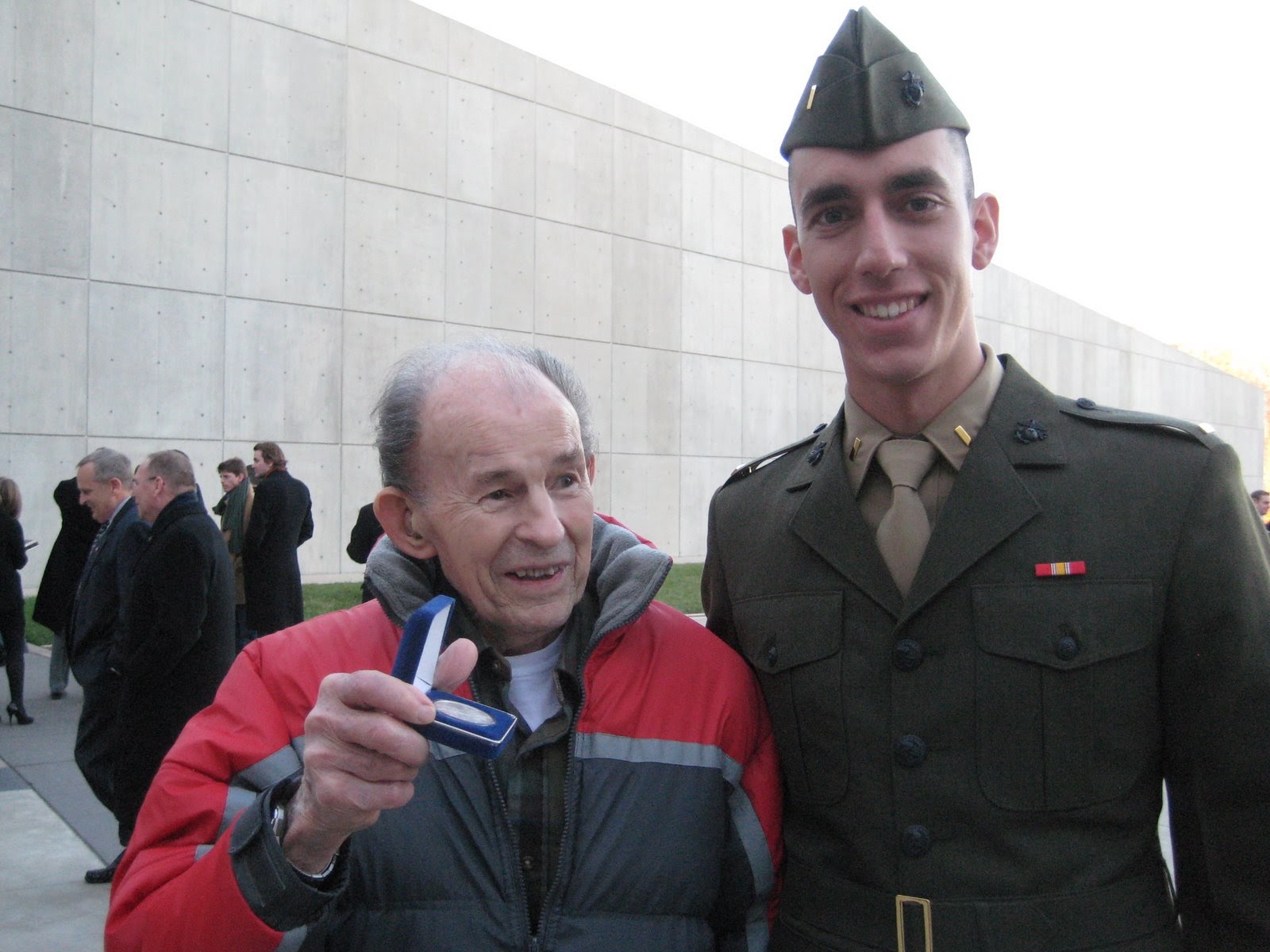
The first salute also called the “Silver Dollar Salute” is one of the most important traditions in a new Marine Officers commissioning ceremony. Who gives the first salute? The first salute lives on as a tradition to honor the enlisted service member who has had the most impact on you. Many candidates choose a Sergeant Instructor they were particularly impressed with or ask a family member or … Co
Our Top Ten Most Popular Posts in 2017
Over the past year, these are the most-viewed posts on the entire site. Not all of these posts were written within the past year, although many get regularly updated. From least-viewed to most, here are the top ten posts of 2017: Number 10: Remember a Silver Dollar for Your First Salute The first salute a newly commissioned officer receives is a special moment. Naval tradition … Continue reading O